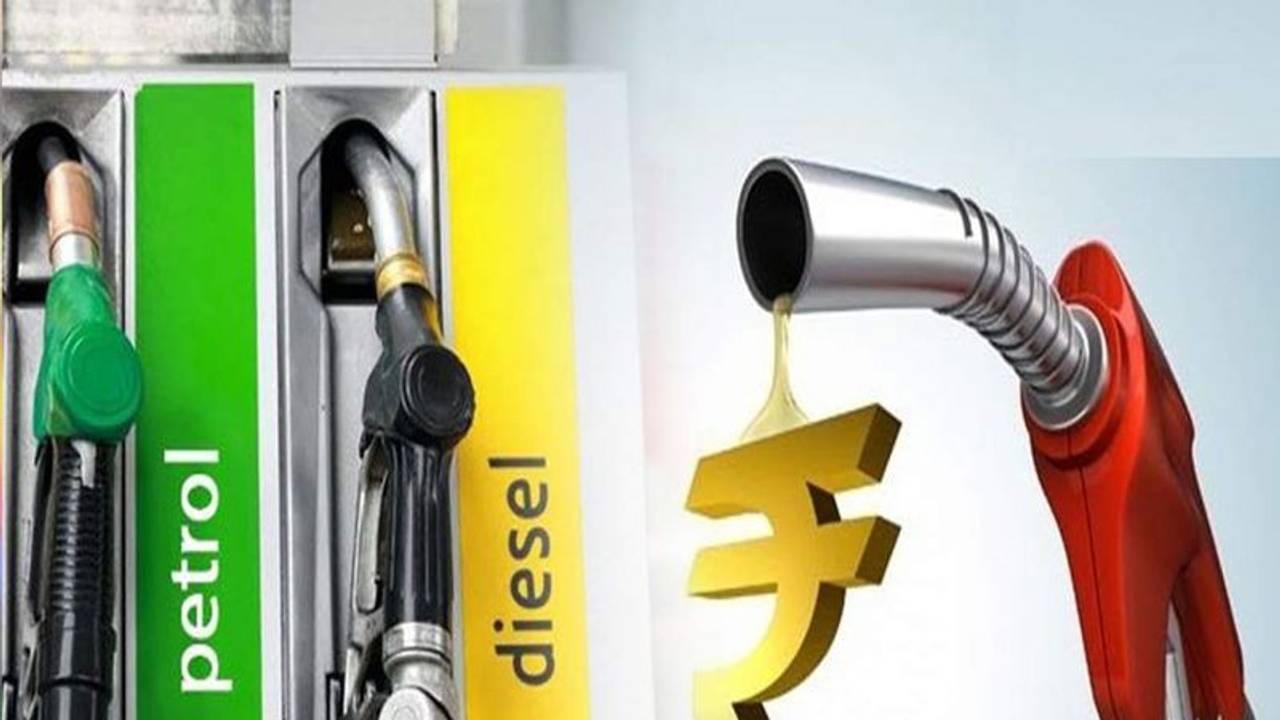
Petrol Diesel Crisis: Rising tensions between Iran, the US, and Israel have triggered fears of fuel shortages across India. As rumors spread, many people have started panic-buying petrol, diesel, and LPG. However, the government has stepped in with a strong advisory, warning citizens against storing fuel at home due to serious safety risks.
Why Fuel Panic Buying Has Increased in India
Recently, geopolitical tensions in West Asia have raised concerns about global crude oil supplies. Because Iran plays a significant role in the global oil market, any conflict involving the country immediately impacts international crude prices and supply expectations. Consequently, news of escalating tensions between Iran, the United States, and Israel has triggered fears of a possible fuel shortage in several countries, including India.
However, rumors and misinformation on social media have made the situation worse. Many people began believing that petrol and diesel supplies might soon be disrupted. Therefore, long queues started appearing at petrol pumps in several regions as motorists rushed to fill their tanks.
Moreover, some consumers went a step further by purchasing petrol in bottles, plastic cans, and other unsafe containers. Meanwhile, others began stocking LPG cylinders and additional fuel supplies at home. Although these actions are driven by fear, experts warn that such practices can create serious safety hazards.
Also Read: CM Yuva Udyami Yojana 2026: Get ₹15 Lakh Interest-Free Loan at 18 – Big Update You Can’t Miss
Therefore, the government quickly stepped in to calm public anxiety and ensure fuel distribution continues smoothly across the country.
Government Advisory on Petrol and Diesel Storage
The Petroleum Ministry issued a clear advisory urging citizens not to store petrol or diesel in loose containers at home. According to the ministry, such actions are extremely dangerous and can lead to accidents, fires, or explosions.
Moreover, the government emphasized that there is no shortage of fuel in India. Retail fuel outlets across the country have sufficient stock to meet consumer demand. Therefore, panic buying is unnecessary and only disrupts the normal supply chain.
In addition, the ministry warned that transporting petrol or diesel in open containers increases the risk of leakage and fire hazards. Because petrol is highly flammable, even a small spark can cause severe damage.
The advisory also stated that people should purchase fuel only for immediate vehicle use. Storing petrol or diesel at home without proper safety infrastructure violates safety norms and increases the risk of accidents.
Strict Safety Rules for Petrol Pump Operators
Along with warning consumers, the government has also issued strict instructions to petrol pump operators across India. Fuel stations must follow all safety regulations while dispensing petrol or diesel.
Also Read: PM Kisan ₹2000 Instalment Stuck? 3 Big Reasons Revealed – Fix It Fast & Get Your Money Now
For example, petrol pumps are not allowed to sell fuel in bottles, plastic containers, or other inappropriate storage items. These rules already exist under safety guidelines, but authorities are now enforcing them more strictly due to the recent panic buying.
Moreover, officials have warned that any fuel station violating these guidelines will face strict action. Penalties may include fines, suspension of license, or temporary closure of the retail outlet.
Therefore, petrol pump operators are expected to verify that fuel is dispensed only into approved vehicle tanks or certified containers designed for fuel storage.
Chennai Petrol Pump Incident Triggers Immediate Action
A recent incident in Chennai highlighted the seriousness of the issue. Reports revealed that a petrol station was selling fuel in loose containers to customers during the panic buying phase.
However, authorities quickly intervened after receiving complaints. As a result, the petrol pump involved was immediately suspended for violating safety regulations.
This action sent a strong message to fuel retailers across the country. The government has made it clear that public safety cannot be compromised, even during periods of high demand or public anxiety.
Moreover, officials believe strict enforcement will discourage other outlets from repeating similar violations.
Petroleum Ministry’s Official Statement on Fuel Availability
The Petroleum Ministry addressed the situation through an official message on the social media platform X. In its statement, the ministry reassured citizens that petrol and diesel are available in sufficient quantities at retail outlets nationwide.
However, the ministry strongly advised consumers not to store fuel in open or unsafe containers. According to officials, this practice not only violates safety norms but also poses serious risks to homes, neighborhoods, and communities.
The ministry further clarified that reports had emerged of petrol being sold in open containers at a retail outlet in Tamil Nadu. Such actions, it said, are both unsafe and unacceptable.
Therefore, all petrol pump operators and dealers have been instructed to strictly follow safety regulations while dispensing fuel. Additionally, authorities warned that strict action will be taken against any retail outlet found violating these guidelines.
Indian Oil Issues Warning Against Fuel Sales in Bottles
Meanwhile, Indian Oil Corporation, one of India’s largest fuel suppliers, also issued a directive to petrol pump operators. The company instructed its retail outlets not to sell petrol in bottles, plastic cans, or other unsuitable containers.
According to an official spokesperson, several incidents have recently been reported where customers demanded petrol in bottles due to panic about potential shortages.
However, Indian Oil clarified that such practices are strictly prohibited because they violate safety standards. Moreover, petrol pumps have been instructed to refuse such requests from customers.
The company emphasized that motorists should only purchase fuel directly into their vehicle tanks. This ensures safety and helps maintain proper fuel distribution across the network.
Impact of West Asia Conflict on Global Oil Supply
The root cause of the panic buying situation lies in the ongoing geopolitical tensions in the West Asia region. Iran is one of the key players in global oil production and export markets.
Therefore, any conflict involving Iran often leads to concerns about reduced crude oil output. Consequently, global oil prices tend to fluctuate when tensions rise in the region.
Moreover, the involvement of major global powers like the United States and Israel increases uncertainty in the energy market. Investors, traders, and governments closely monitor such developments because they can influence fuel prices worldwide.
However, experts believe that short-term tensions do not necessarily mean immediate fuel shortages. Global oil supply chains are complex and involve multiple producing nations.
Therefore, even if production declines in one region, other countries often increase supply to balance the market.
Why Storing Petrol at Home Is Extremely Dangerous
Safety experts strongly advise against storing petrol or diesel at home for several reasons. First, petrol is a highly volatile substance that can easily catch fire if exposed to heat, sparks, or electrical equipment.
Moreover, improper storage containers may leak fuel vapors, which can accumulate in enclosed spaces. Consequently, even a minor spark from a switch, appliance, or cigarette can trigger an explosion.
In addition, storing petrol in plastic bottles or household containers increases the risk of chemical reactions and container damage.
Therefore, safety guidelines recommend storing fuel only in certified containers designed specifically for petroleum products.
Most households do not have the proper infrastructure required for safe fuel storage. As a result, keeping petrol or diesel at home significantly increases the risk of fire accidents.
Government’s Assurance on Fuel Supply Stability
Despite the rising concerns, the Indian government has repeatedly reassured citizens that there is no shortage of petrol or diesel in the country.
India maintains strategic reserves and long-term supply contracts with multiple oil-producing nations. Therefore, short-term geopolitical tensions rarely disrupt domestic fuel availability.
Moreover, oil marketing companies regularly monitor supply levels at retail outlets across the country. If demand rises unexpectedly, additional supplies are quickly dispatched to prevent shortages.
Consequently, authorities have urged citizens to remain calm and avoid unnecessary fuel purchases.
Experts also believe that panic buying itself can create artificial shortages. Therefore, responsible consumer behavior plays an important role in maintaining stable fuel distribution.
Frequently Asked Questions
Is there really a petrol or diesel shortage in India?
No, the government has confirmed that petrol and diesel are available in adequate quantities across the country. Retail fuel outlets have sufficient stock, and authorities are closely monitoring supply levels to prevent disruptions.
Why are people panic buying petrol and diesel?
Panic buying started due to fears of global oil supply disruptions caused by tensions between Iran, the US, and Israel. However, misinformation and rumors have also contributed to the sudden rush at petrol pumps.
Can petrol be stored at home in bottles or containers?
No, storing petrol at home in bottles, plastic cans, or loose containers is extremely dangerous and strongly discouraged by the government. Petrol is highly flammable and can easily cause fires or explosions.
Are petrol pumps allowed to sell fuel in bottles?
No, petrol pumps are not allowed to sell petrol or diesel in bottles or unsafe containers. Fuel must be dispensed only into vehicle tanks or approved containers designed for petroleum storage.
What action will be taken against petrol pumps violating safety rules?
Authorities have warned that strict action will be taken against fuel stations violating safety regulations. Penalties may include suspension, fines, or cancellation of licenses.
Will the West Asia conflict affect fuel prices in India?
Geopolitical tensions can influence global crude oil prices. However, the impact on Indian fuel prices depends on several factors, including international market trends, government policies, and supply agreements.