RBI cancels Paytm Payments Bank licence in a major regulatory move. Here’s what happened, why it matters, and what depositors should expect next.
RBI Cancels Paytm Payments Bank Licence
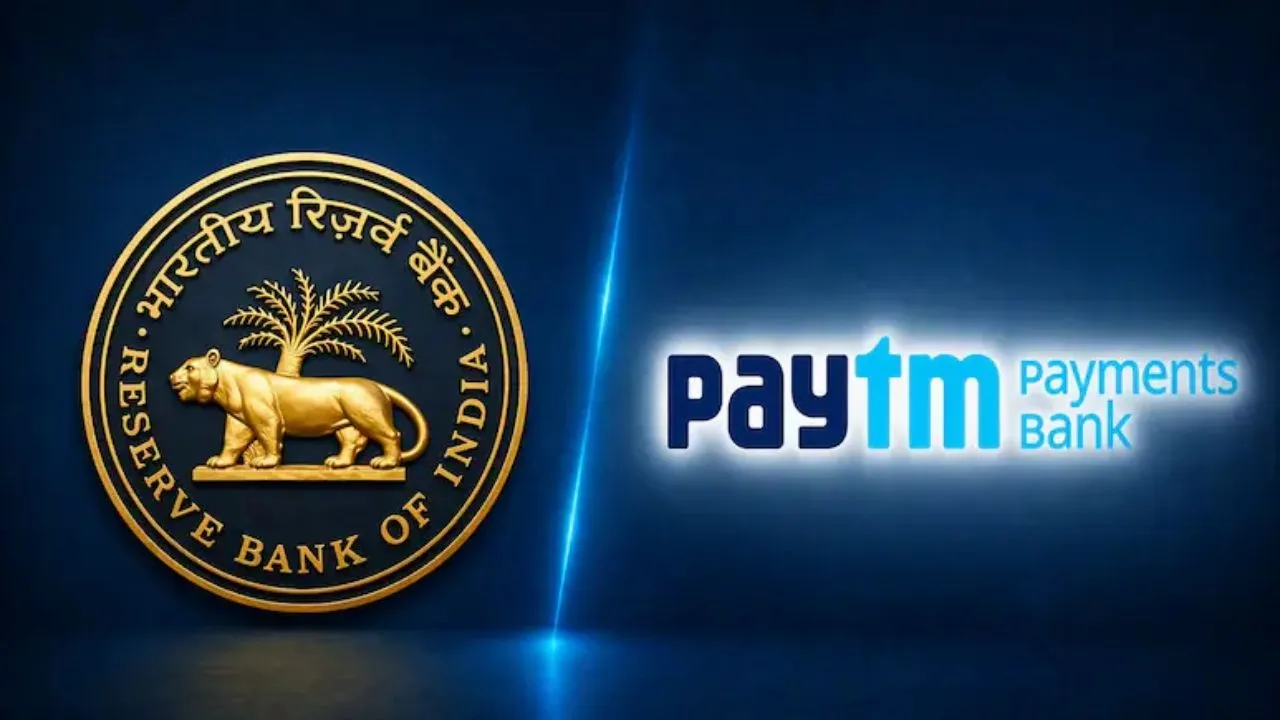
In a decisive move, the :contentReference[oaicite:0]{index=0} cancelled the licence of :contentReference[oaicite:1]{index=1} on April 24, 2026. As a result, the bank immediately lost its authority to carry out any banking operations.
Moreover, the central bank confirmed that it will approach the High Court to initiate the winding-up process. Therefore, this marks a complete shutdown of one of India’s most talked-about payments banks.
Meanwhile, this development comes after a series of regulatory actions taken over the past two years. Consequently, the final decision didn’t come as a sudden shock but rather as the culmination of ongoing scrutiny.
Also Read: CM Yuva Udyami Yojana 2026: Get ₹15 Lakh Interest-Free Loan at 18 – Big Update You Can’t Miss
Why RBI Took This Strict Action
The RBI highlighted several serious concerns behind this decision. Firstly, it stated that the bank’s operations were conducted in a manner that negatively impacted depositor interests. Additionally, the regulator raised questions about the management’s conduct, calling it harmful to public interest.
Furthermore, the bank failed to comply with licensing conditions, which directly violated provisions under the Banking Regulation Act. Therefore, the RBI concluded that allowing the bank to continue would not serve any meaningful public purpose.
In addition, the regulator made it clear that maintaining trust in the financial system remains its top priority. Hence, strict enforcement became necessary.
Earlier Restrictions That Led to This Point
Interestingly, this isn’t the first time Paytm Payments Bank faced regulatory heat. Back in March 2022, the RBI had already restricted the bank from onboarding new customers.
Later, in early 2024, the regulator imposed stricter measures. For instance, it barred fresh deposits, wallet top-ups, and credits into existing accounts. As a result, the bank’s growth came to a standstill.
Meanwhile, these limitations significantly reduced its operational capabilities. Consequently, the bank struggled to maintain its position in India’s competitive digital payments ecosystem.
Also Read: PM Kisan ₹2000 Instalment Stuck? 3 Big Reasons Revealed – Fix It Fast & Get Your Money Now
What Happens to Depositors Now
Understandably, customers are concerned about their money. However, the RBI has offered reassurance on this front. It stated that the bank holds sufficient liquidity to repay all depositors.
Therefore, during the winding-up process, customers should receive their funds as per regulatory procedures. Additionally, this ensures that depositors are protected despite the bank’s closure.
On the other hand, the exact timeline for repayments may depend on legal and administrative steps. Hence, customers should stay updated with official announcements.
Impact on Paytm Ecosystem
This decision delivers a significant blow to the broader :contentReference[oaicite:2]{index=2} ecosystem. Over the years, the company built a strong user base around wallets, UPI payments, and merchant services.
However, with the banking arm now shut, Paytm will need to rethink its financial partnerships. Moreover, it may shift focus toward collaborations with other regulated banks.
Meanwhile, users can expect changes in how services like wallets and payments are managed. Consequently, the transition phase will be crucial for maintaining user trust.
What This Means for India’s Payments Bank Model
Payments banks were introduced to improve financial inclusion by offering basic banking services without lending. Initially, they attracted massive attention and investment.
However, this development raises important questions about the sustainability of the model. Additionally, it highlights the importance of strict regulatory compliance in the fintech sector.
Therefore, going forward, other players in the space may face tighter scrutiny. At the same time, regulators are likely to strengthen oversight to prevent similar situations.
| Feature | Details |
|---|---|
| Action Taken | Licence Cancelled |
| Authority | Reserve Bank of India |
| Effective Date | April 24, 2026 |
| Reason | Regulatory violations & depositor risk |
| Depositor Status | Full repayment expected |
Final Thoughts
Overall, the cancellation of Paytm Payments Bank’s licence marks a turning point in India’s fintech landscape. While depositors remain protected, the incident underscores the importance of compliance, governance, and trust in financial institutions.
Going ahead, both regulators and fintech companies will need to strike a careful balance between innovation and accountability. Consequently, this case will likely serve as a benchmark for future regulatory actions.
| FAQ | Answer |
|---|---|
| Why did RBI cancel Paytm Payments Bank licence? | Due to regulatory violations, poor governance, and risks to depositors. |
| Is depositor money safe? | Yes, RBI confirmed full repayment during winding-up. |
| Can customers still use Paytm services? | Yes, but banking-related services may shift to partner banks. |