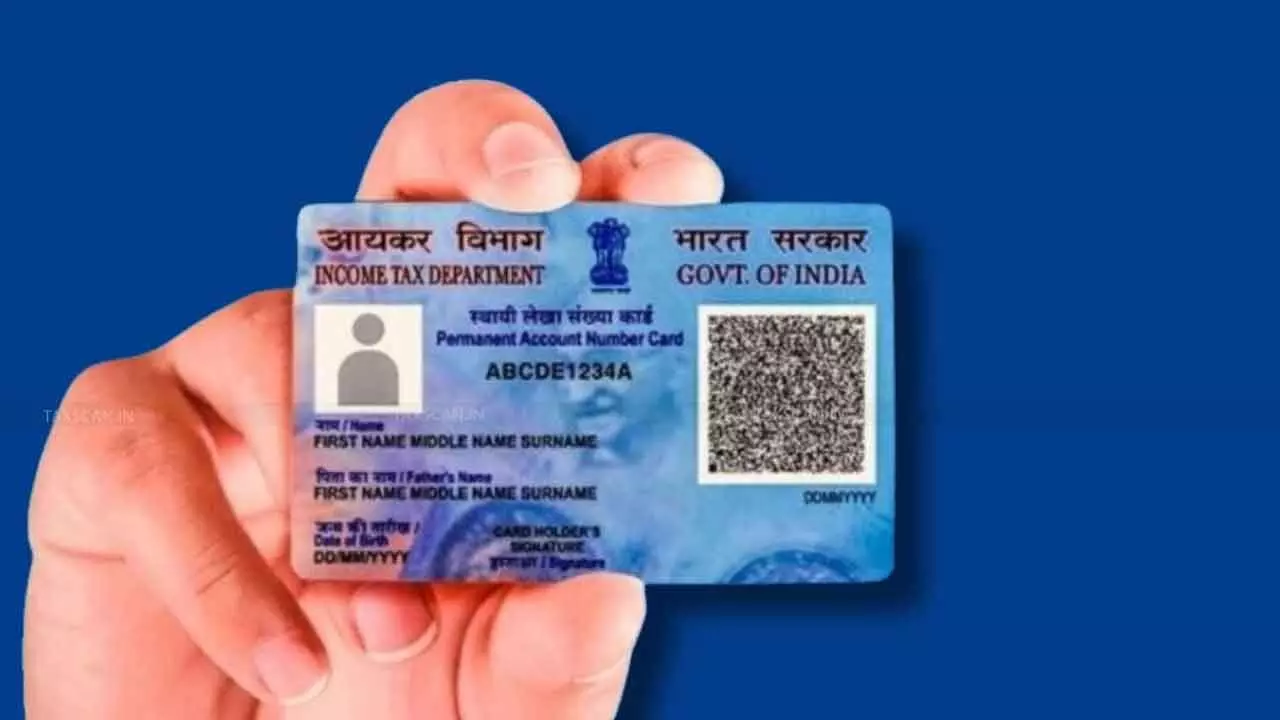
PAN card rules are changing from May 1, making PAN mandatory for high-value transactions, Aadhaar linking, and stricter financial tracking. Here’s everything you need to know.
PAN Card Rules Change from May 1: What You Need to Know
PAN card rules in India are set to become stricter from May 1, and these updates will directly impact your daily financial activities. While PAN has already become as essential as Aadhaar, the government is now tightening compliance to monitor high-value transactions more closely.
Moreover, these changes aim to improve transparency and reduce tax evasion. As a result, individuals must stay informed and prepared to avoid disruptions in their financial dealings.
Mandatory PAN for High-Value Cash Transactions
Starting May 1, if you deposit or withdraw more than ₹10 lakh in a financial year from a bank or post office, you must provide your PAN details. This rule ensures that large cash movements remain traceable.
Also Read: CM Yuva Udyami Yojana 2026: Get ₹15 Lakh Interest-Free Loan at 18 – Big Update You Can’t Miss
Additionally, authorities will closely monitor such transactions to prevent misuse of unaccounted money. Therefore, keeping your PAN updated and accessible becomes more important than ever.
PAN Required for Expensive Spending
In addition to banking transactions, your spending habits will also come under scrutiny. If you spend over ₹1 lakh at hotels, restaurants, or events, you will need to present your PAN.
Meanwhile, this move encourages digital tracking of luxury expenses. Consequently, it helps the government maintain a clearer record of high-value consumption patterns.
PAN Mandatory for Vehicle Purchases Above ₹5 Lakh
If you are planning to buy a bike or car worth more than ₹5 lakh, you must provide your PAN at the time of purchase. This rule applies across dealerships and ensures that significant purchases remain linked to verified individuals.
Furthermore, this requirement strengthens financial accountability. As a result, buyers should ensure their PAN details are accurate before making such investments.
PAN Requirement for Property Transactions
Property buyers must also stay alert. If you purchase property worth more than ₹20 lakh, providing your PAN remains compulsory.
Also Read: PM Kisan ₹2000 Instalment Stuck? 3 Big Reasons Revealed – Fix It Fast & Get Your Money Now
Moreover, real estate transactions have always been under regulatory watch. However, these updated rules further tighten oversight, ensuring that all major deals stay within the legal financial framework.
Aadhaar-PAN Linking Mandatory by 2026
Another crucial update involves linking your PAN with Aadhaar. Starting January 1, 2026, this linking will become mandatory for all users.
Additionally, failing to link both documents may lead to complications, including restricted financial transactions. Therefore, completing this process in advance can save you from future inconvenience.
How to Link Aadhaar with PAN Easily
Linking your Aadhaar with PAN is a simple online process. Follow these steps to complete it smoothly:
Step 1: First, visit the Income Tax e-filing portal and register if you are a new user.
Step 2: Next, log in using your credentials.
Step 3: Then, click on the “Link Aadhaar” option. Alternatively, go to “My Profile” and select “Personal Details” to find it.
Step 4: After that, enter your Aadhaar number and click on “Validate.”
Step 5: Finally, you will receive a confirmation message once the linking is successful.
Meanwhile, your request will be sent to UIDAI for verification. In some cases, a nominal fee may apply, so it’s better to complete the process early.
Key Highlights of New PAN Rules
| Transaction Type | PAN Requirement |
|---|---|
| Cash Deposit/Withdrawal | Above ₹10 lakh annually |
| Hotel/Restaurant Spending | Above ₹1 lakh |
| Vehicle Purchase | Above ₹5 lakh |
| Property Purchase | Above ₹20 lakh |
| Aadhaar Linking | Mandatory by Jan 1, 2026 |
Why These PAN Rule Changes Matter
These updated PAN rules aim to create a more transparent financial ecosystem. While they may seem strict initially, they ultimately help in reducing fraud and improving tax compliance.
Moreover, staying compliant ensures smooth financial transactions without legal hurdles. Therefore, keeping your PAN active, linked, and updated should be your top priority.
Conclusion
PAN card rules are evolving to match the growing need for financial transparency. As these changes roll out, individuals must adapt quickly to avoid disruptions. Therefore, whether it’s linking Aadhaar or using PAN for high-value transactions, staying informed will help you stay ahead.
| FAQ | Answer |
|---|---|
| Is PAN mandatory for all bank transactions? | No, it is required mainly for high-value transactions above specified limits. |
| What happens if PAN is not linked with Aadhaar? | You may face issues in financial transactions and compliance after 2026. |