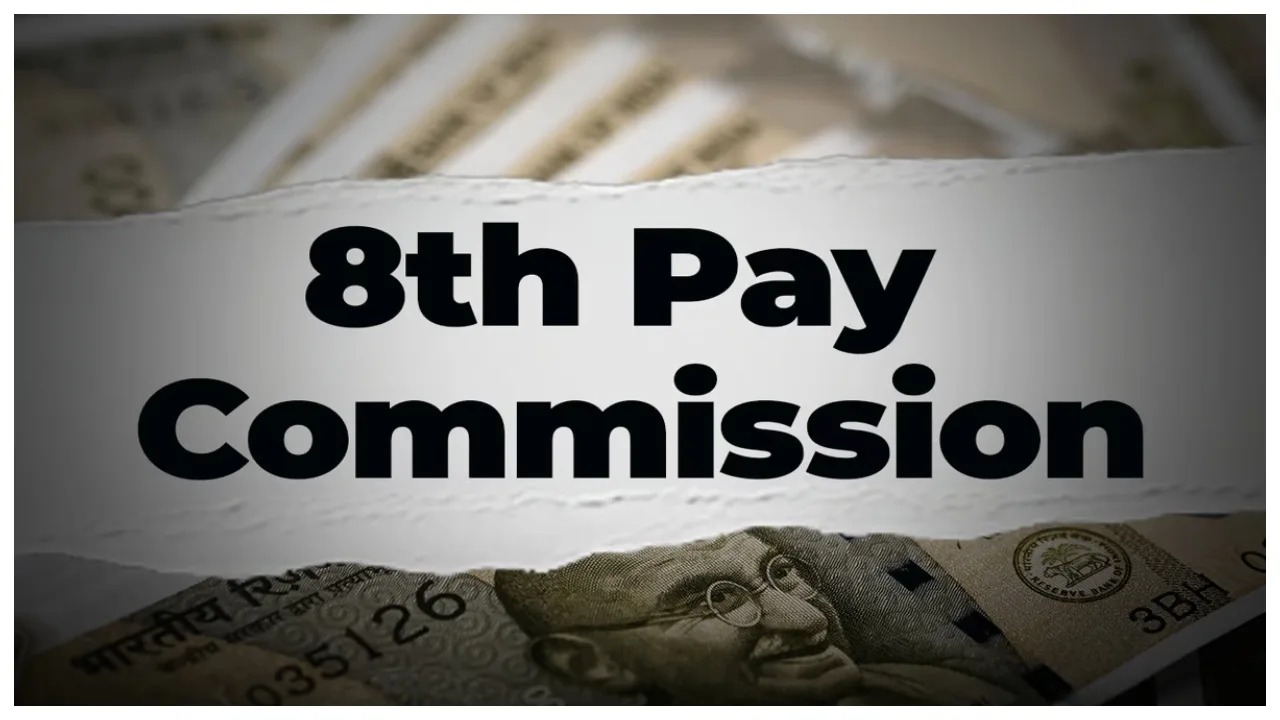
The upcoming 8th Pay Commission is creating massive buzz among central government employees and pensioners. With expectations of a major salary hike, revised pensions, and up to 20 months of arrears, millions are eagerly waiting for its rollout in 2026.
What to Expect from the 8th Pay Commission in 2026
The discussion around the 8th Pay Commission has intensified as central government employees and pensioners look forward to significant financial improvements. Moreover, the government has already begun preliminary groundwork by forming a committee to examine key aspects in detail. This step indicates that the process is moving steadily, even though the final implementation may take some time.
Meanwhile, if the recommendations are implemented from January 1, 2026, employees could see a noticeable jump in their income. Additionally, pensions are also expected to increase, which will benefit retired personnel across the country. Therefore, this pay revision is not just about salaries—it has a broader financial impact.
Expected Salary Increase Based on Fitment Factor
The most crucial element in determining salary revision is the Fitment Factor. This factor plays a direct role in calculating the new basic pay under every pay commission. In the previous 7th Pay Commission, the government fixed the fitment factor at 2.57, which led to a substantial hike in salaries.
Also Read: CM Yuva Udyami Yojana 2026: Get ₹15 Lakh Interest-Free Loan at 18 – Big Update You Can’t Miss
However, this time employee unions are pushing for a higher fitment factor ranging between 3.0 and 3.25. Consequently, if the government accepts this demand, the salary increase could be much more significant than before.
| Component | Expected Change |
|---|---|
| Current Minimum Salary | ₹18,000 |
| Proposed Fitment Factor | 3.0 – 3.25 |
| Expected Minimum Salary | Up to ₹54,000 |
In addition, a higher fitment factor would not only boost basic pay but also increase allowances, pensions, and other benefits. Therefore, the overall income structure of employees could improve significantly.
Arrears Payment: How Much Will Employees Get?
One of the most exciting aspects of the 8th Pay Commission is the possibility of receiving pending arrears. According to various reports, employees could receive arrears for up to 20 months, depending on when the recommendations are officially implemented.
For instance, if the new pay structure is considered effective from January 2026 but gets implemented later, employees will receive arrears for the delayed period. Consequently, this lump sum amount could provide a major financial boost.
| Factor | Details |
|---|---|
| Effective Date (Expected) | January 1, 2026 |
| Implementation Delay | Up to 20 months |
| Arrears Benefit | Lump sum payment for pending period |
Moreover, pensioners will also benefit from arrears, ensuring financial relief across all categories of beneficiaries. This makes the 8th Pay Commission even more impactful.
Timeline: When Will the 8th Pay Commission Be Implemented?
Traditionally, a new pay commission is introduced every ten years. The 7th Pay Commission came into effect on January 1, 2016, and its term will conclude by December 31, 2025. Therefore, the next revision is logically expected in 2026.
Also Read: PM Kisan ₹2000 Instalment Stuck? 3 Big Reasons Revealed – Fix It Fast & Get Your Money Now
However, the committee formed for the 8th Pay Commission is expected to submit its report within 18 months. After that, the government will review and implement the recommendations. Consequently, there might be a delay between the effective date and actual rollout.
On the other hand, such delays often result in higher arrears payouts, which is why employees are still optimistic.
Government Invites Employee Suggestions for Transparency
Interestingly, the government has taken a more transparent approach this time by inviting suggestions directly from employees. Feedback is being collected through the MyGov portal, allowing employees to actively participate in shaping the recommendations.
Additionally, the deadline for submitting suggestions has reportedly been extended to April 30, 2026. However, no official notification has been released yet. Nevertheless, this move reflects an inclusive approach, giving employees a voice in the decision-making process.
Impact on Pensioners and Retired Employees
The 8th Pay Commission is not limited to current employees—it will also bring major benefits for pensioners. As pensions are directly linked to basic pay, any increase in salary will automatically raise pension amounts.
Moreover, arrears will also be applicable to pensioners, ensuring that they receive fair compensation for any delay in implementation. Therefore, this revision is expected to improve financial stability for retirees as well.
Why the 8th Pay Commission Matters So Much
The significance of the 8th Pay Commission goes beyond just numbers. It directly affects the livelihood of millions of families across India. Additionally, increased salaries lead to higher spending, which can positively impact the economy.
Meanwhile, better pay structures also boost employee morale and productivity. Consequently, this creates a win-win situation for both the government and its workforce.
Frequently Asked Questions
1. When will the 8th Pay Commission be implemented?
The implementation is expected around 2026, although the final rollout may take additional time after the committee submits its report.
2. What is the expected fitment factor in the 8th Pay Commission?
Employee unions are demanding a fitment factor between 3.0 and 3.25, which could significantly increase salaries.
3. How much salary increase can employees expect?
The minimum salary could rise from ₹18,000 to approximately ₹54,000, depending on the final fitment factor.
4. Will employees receive arrears?
Yes, employees may receive arrears for up to 20 months if there is a delay in implementation.
5. Are pensioners included in the benefits?
Absolutely. Pensioners will also receive revised pensions and applicable arrears.
6. How can employees submit their suggestions?
Employees can share their feedback through the MyGov portal before the deadline.